
The 10 miniature painting mistakes even seasoned hobbyists still make (and how to finally ditch them)
Let’s be honest : no matter how long we’ve been painting miniatures-five months or fifteen years-we all fall into the same traps. I still catch myself doing things I swore I’d stopped back in my tiny student bedroom in Cambridge, hunched over a wobbly IKEA desk with a lamp that buzzed like a bee. If you’ve ever stared at a model thinking “why does this still look… off ?”, you’re definitely not alone.
And because I love seeing how different creators tackle these issues, I stumbled the other day on https://www.leblogdecathy.com while hunting for inspiration-funny how one tip in a random article can completely shift the way you approach colours. Anyway, let’s dive into the mistakes we ALL make, even when we think we’re past them.
1. Using paint straight from the pot
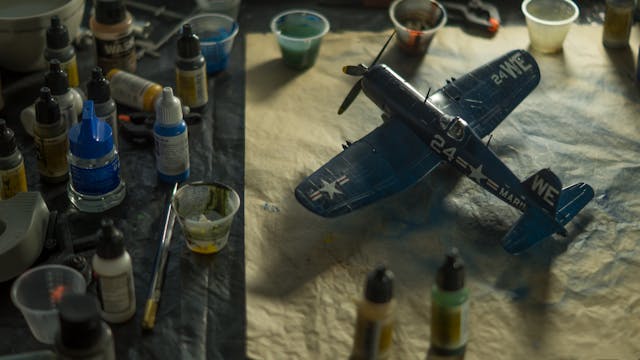 Honestly, this one haunted me for years. Undiluted paint goes on thick, chalky, and it buries details faster than a heavy snow in February. Always thin your paint-you’ve heard it before, but do you actually do it every single time ? Try a wet palette if you haven’t yet ; it feels like cheating at first, in the best possible way.
2. Rushing the priming stage
You know that moment when you’re excited to start, so you blast the primer on like you’re pressure-washing a patio ? Yeah… don’t. Too much primer softens every edge. I find that one slow pass, then a second gentle one from a different angle, gives a crisp surface that behaves beautifully under a basecoat.
3. Painting under terrible lighting
 If your workspace looks like a dim tavern in a fantasy RPG, your colours will lie to you. Warm bulbs distort tones ; shadows hide mistakes you only notice the next morning (the horror). Get a daylight lamp. It changed everything for me-especially when trying to match subtle tones like bone or leather.
4. Skipping the cleanup of mould lines
We’ve all done it : “No one will see that line on the elbow.” Except… you will. Forever. A quick scrape with a hobby knife saves hours of frustration later. I usually do it while listening to a podcast so it doesn’t feel like a chore.
5. Overloading the brush
There’s something almost instinctive about dipping too deep into the paint. But a brush belly full of paint equals blotches, pooling, and those accidental streaks across a cloak you spent 40 minutes layering. Wipe off the excess. Your future self will send you a thank-you note.
6. Ignoring consistency in your highlights
Maybe you’ve had this happen too : you finish a figure, take a photo, and suddenly notice one highlight is bright enough to signal an airplane, while another is barely visible. Keeping highlights consistent-same direction, similar intensity-makes a model instantly look more intentional and “pro”.
7. Not letting layers dry fully
 I’m guilty of this when I paint late at night, half-running on tea. You think, “It’s probably dry enough,” and boom-muddy colours. Just give it a couple more minutes. Or use a hairdryer on low ; it’s a lifesaver when batch-painting squads.
8. Overworking blends
Blending is like cooking pasta : easy to overdo. If you keep pushing the paint trying to “fix” it, it suddenly turns grainy or patchy. Sometimes you just have to let a less-than-perfect blend sit, dry, and adjust with a glaze later. Trust the process.
9. Forgetting to varnish (or varnishing badly)
Nothing hurts more than watching a crisp edge highlight rub off because you skipped varnish before a game night. But equally tragic is blasting it with too much matte varnish and fogging the whole thing. Sprays work best in dry conditions ; if it’s humid, go for a brush-on varnish instead.
10. Treating every miniature like it has to be a masterpiece
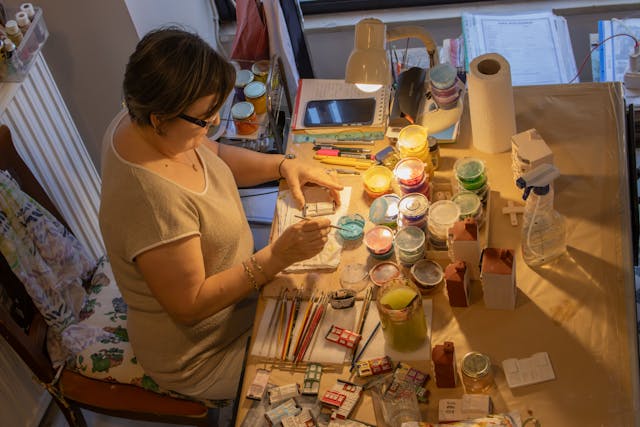 I see this all the time, and honestly, I still fall into the trap. Not every model deserves 12 hours of layering. Pick your “showpiece” minis and paint the rest to a tabletop standard without guilt. Painting should stay fun-if you burn out, what’s the point ?
How to break these habits for good
Here’s what worked for me : create tiny routines. A quick checklist before painting (“light ? palette ? thinning ?”), set a timer when drying layers, and don’t be afraid to experiment. Seriously, the more you paint, the more natural these good habits become.
And you-yeah, you reading this-what’s the mistake you keep making, even though you KNOW better ? I’m genuinely curious. Every painter’s “perpetual flaw” tells a story.